
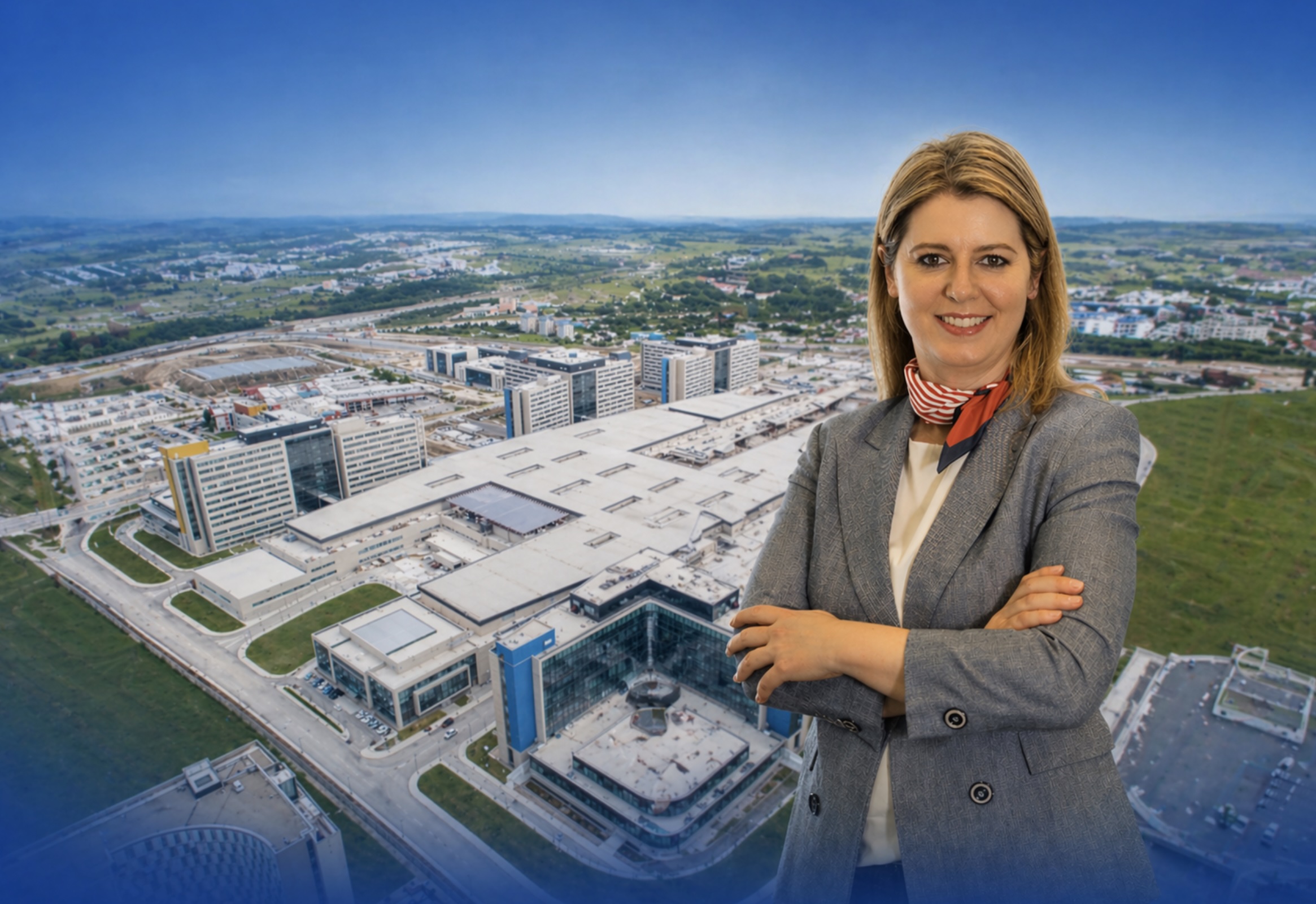
Mega-Scale Radiology Operations at Ankara City Hospital with Işıl İçme
Işıl İçme
CCN Clinical Services Coordinator - Ankara City Hospital
1. Scale and Complexity of the Structure
Ankara City Hospital is a healthcare campus of a scale rarely seen in the world. How would you define a structure of this magnitude?
Işıl İçme: Ankara City Hospital can be defined not merely as a traditional hospital, but as a “healthcare city” in itself. This structure, where multiple disciplines operate in an integrated manner with a high patient capacity and uninterrupted service requirements, demands advanced operational orchestration.
What were the most critical operational and technical challenges in delivering healthcare at this scale?
Işıl İçme: The most critical challenges at this scale were ensuring uninterrupted system performance, maintaining flawless data flow across disciplines, and sustainably managing high-volume operations. On the technical side, integration, data security, and performance continuity were at the forefront.
2. Greenfield Implementation
You have been involved in this structure from the very beginning. What were the main challenges in building a digital healthcare infrastructure from scratch?
Işıl İçme: Being involved from the very beginning provided a significant advantage, while also bringing the responsibility of designing all processes from scratch. The biggest challenge was to establish a flexible, sustainable, and scalable digital infrastructure by anticipating future needs.
Which factors were decisive when designing the system architecture at this scale?
Işıl İçme: When designing system architecture at this scale, high availability, modular structure, integration capability, and user experience were the key determining factors. Additionally, data intensity and the number of concurrent users directly influenced architectural decisions. Furthermore, to ensure readiness for future expansion, reserved infrastructure capacity was created for new devices.
3. Process and Operational Management
What were the main challenges in managing imaging → visualization → reporting processes in such a large-scale radiology operation?
Işıl İçme: In radiology operations, the process from imaging to reporting, especially at this scale and patient volume, requires not only operational excellence but also robust system integration. The primary challenge was ensuring that images from different devices (MRI, CT, X-ray, etc.) were correctly matched with the right patient and order, maintaining uninterrupted data flow, and preventing any breakdown or delay in the process.
How did the system enable standardization and control in these processes?
Işıl İçme: At this point, the integration between RIS (Radiology Information System) and Sarus PACS (Picture Archiving and Communication System) was established based on international standards such as HL7 and DICOM. Orders created in RIS were transmitted between systems via HL7 messages, while imaging devices automatically retrieved correct patient and examination data through DICOM, eliminating manual data entry. The images generated after acquisition were also transferred automatically to PACS via DICOM and directed to relevant worklists based on predefined rules.
Thanks to this integrated structure, processes became fully traceable end-to-end. Every step — from patient status, imaging completion, image availability for reporting, to report turnaround time — became instantly trackable. In addition, standardized workflows created a unified operational language across all users.
This integration enabled early detection of bottlenecks, balanced workload distribution, and measurable performance. As a result, both operational transparency and clinical quality significantly improved, and high-volume radiology operations became sustainable and controllable.
4. Performance and Efficiency
How was system performance and continuity ensured in high-volume imaging operations?
Işıl İçme: Sustaining performance in high-volume imaging operations is critically important. Continuous service was ensured by leveraging technologies such as high availability, load balancing, and fast data access.
What were the most critical gains in terms of speed, access, and workflow in daily operations?
Işıl İçme: The most important gains in daily operations were rapid image access, significant reductions in reporting times, and optimized workflows. This directly improved both clinical staff efficiency and patient experience.
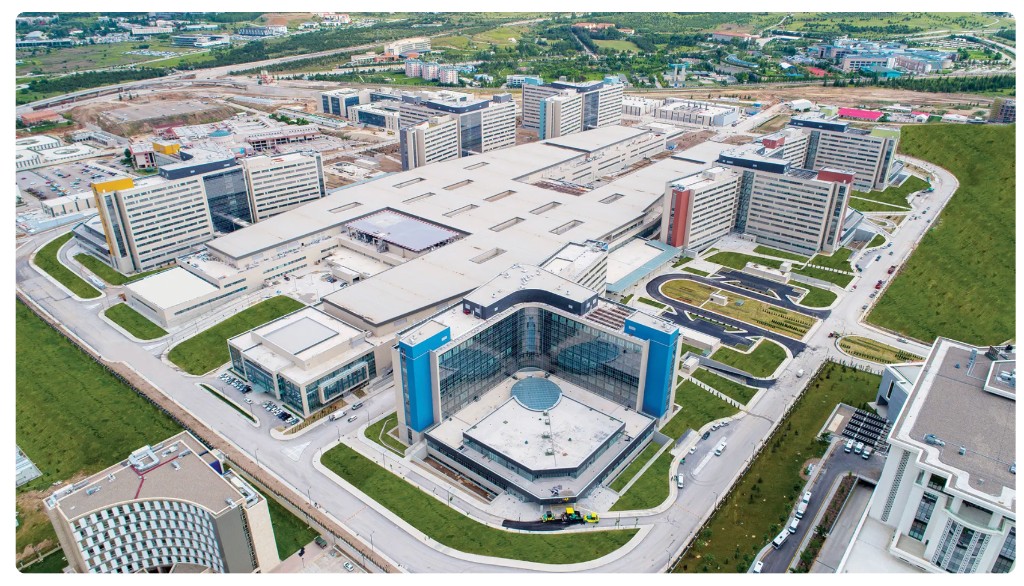
Ankara City Hospital
5. User Experience and Adoption
How was user adoption managed in such a large and multidisciplinary structure?
Işıl İçme: In such a large and multidisciplinary structure, user adoption is as critical as technical success. The process was managed through training, continuous support, and user feedback.
What factors contributed to clinical teams embracing the system?
Işıl İçme: Ease of use, speed, reliability, and reduction of daily workload were the key factors in the system’s adoption by clinical teams.
6. Institutional Value Contribution
What value did Sarus Radiology and PACS solutions bring to a structure of this scale?
Işıl İçme: Sarus Radiology and PACS solutions provided not only a technological infrastructure but also a strong operational backbone for such a large-scale structure.
What were the most tangible contributions in terms of clinical quality, operational efficiency, and patient services?
Işıl İçme: They supported faster and more accurate diagnosis processes, significantly improved operational efficiency, and reduced patient waiting times while enhancing overall service quality.
7. Scalability and Reference Value
How would you position the experience gained from a project like Ankara City Hospital?
Işıl İçme: The Ankara City Hospital project represents a reference case not only nationally but also internationally in terms of experience gained.
What is your view on the system’s potential as a reference for national or international mega projects?
Işıl İçme: It provides a successful example of a scalable, sustainable, and integrated digital healthcare infrastructure for similar mega healthcare campuses.
8. Closing
How would you summarize Sarus solutions in one sentence for a healthcare campus of this scale?
Işıl İçme: Sarus solutions are a critical force that manages complexity, transforms data into meaningful insights, and ensures uninterrupted operations in such large-scale healthcare campuses.
What would you recommend for similar large-scale healthcare investments?
Işıl İçme: Our recommendation for similar large-scale healthcare investments is to recognize that what makes scale manageable is not only physical capacity, but a well-designed, integrated, and scalable digital infrastructure.
To explore how Sarus EHR and Sarus PACS enable scalable healthcare operations, you can review our solutions in detail.